
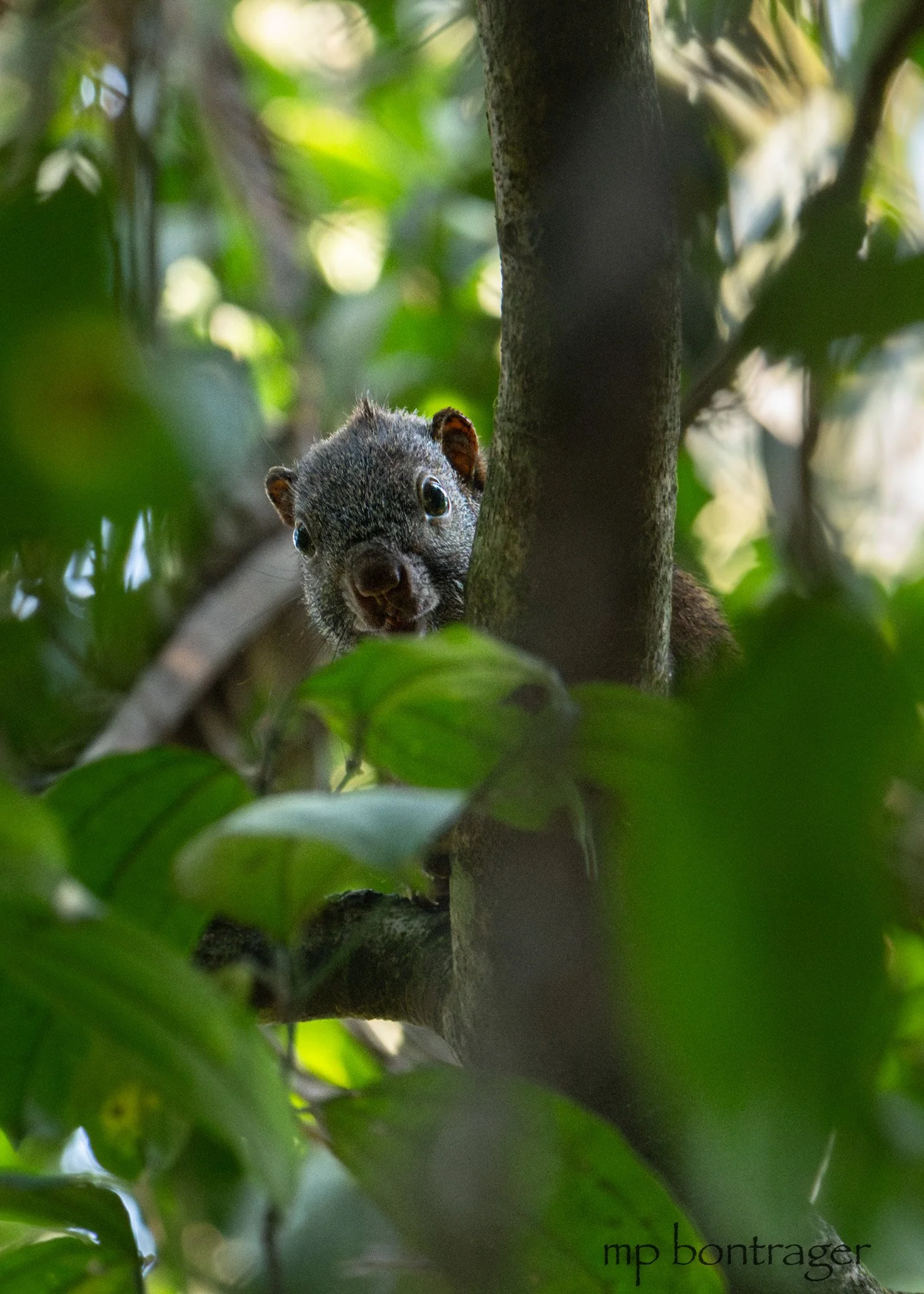
Semliki National Park (but sometimes spelled Semuliki?)
I have been intrigued by central Africa, ever since I heard Madame Riess coo about her time in the Congo. She and her husband lived there with their young children. Monsier Riess filmed footage for French documentaries. They would have been in the 1970s. I allowed Madame Reiss to freely reminisce, my French skills weren’t sufficient enough to ask questions. She smiled and waved her arms as she described the emotional impact that the Congo had on her and her husband. She yearned to re-visit the place that changed her, where she raised young children with other Congolese women. By the time I met Madame she was blind and frail of body; we both knew that a return trip to Africa was only a dream.
I thought of her again recently, some 20 years after our meeting. We had stayed in her flat during our first visit to Nice in the early 2000s. Madame Reiss was a marvelous hostess. She made sure we knew our way around her neighborhood and shared a glass of sherry with us when we returned from a day of bicycle riding. Now I was living alone in Uganda as an American volunteer, somewhat overwhelmed by loneliness and the lack of natural space. I often wonder what would Madame Reiss do in my place.
Soon enough, I contacted a travel company in Kampala to arrange a tour of Ugandan national parks. Since Semuliki National Park is the westernmost park, I added it to the itinerary. Semuliki is located in the Congo Basin. The Rwenzori mountains isolate Semuliki from the rest of Uganda, so the environment and its citizens have more in common with the DRC than with the rest of Uganda. Madame Reiss would approve of this choice.
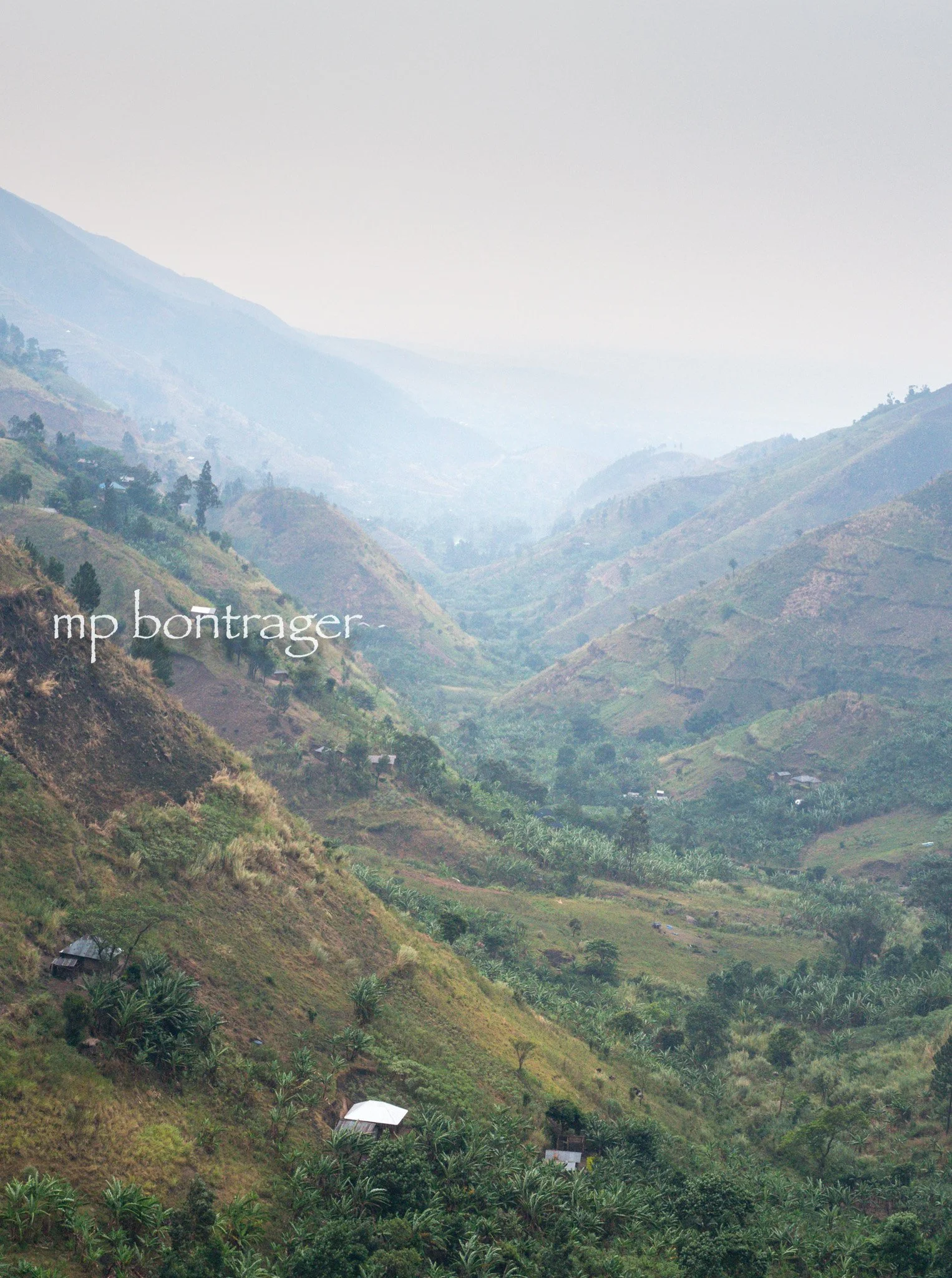
Morning drive through the Rwenzori Mountains
The road from Fort Portal goes through the Rwenzori Mountains to Semliki National Park.
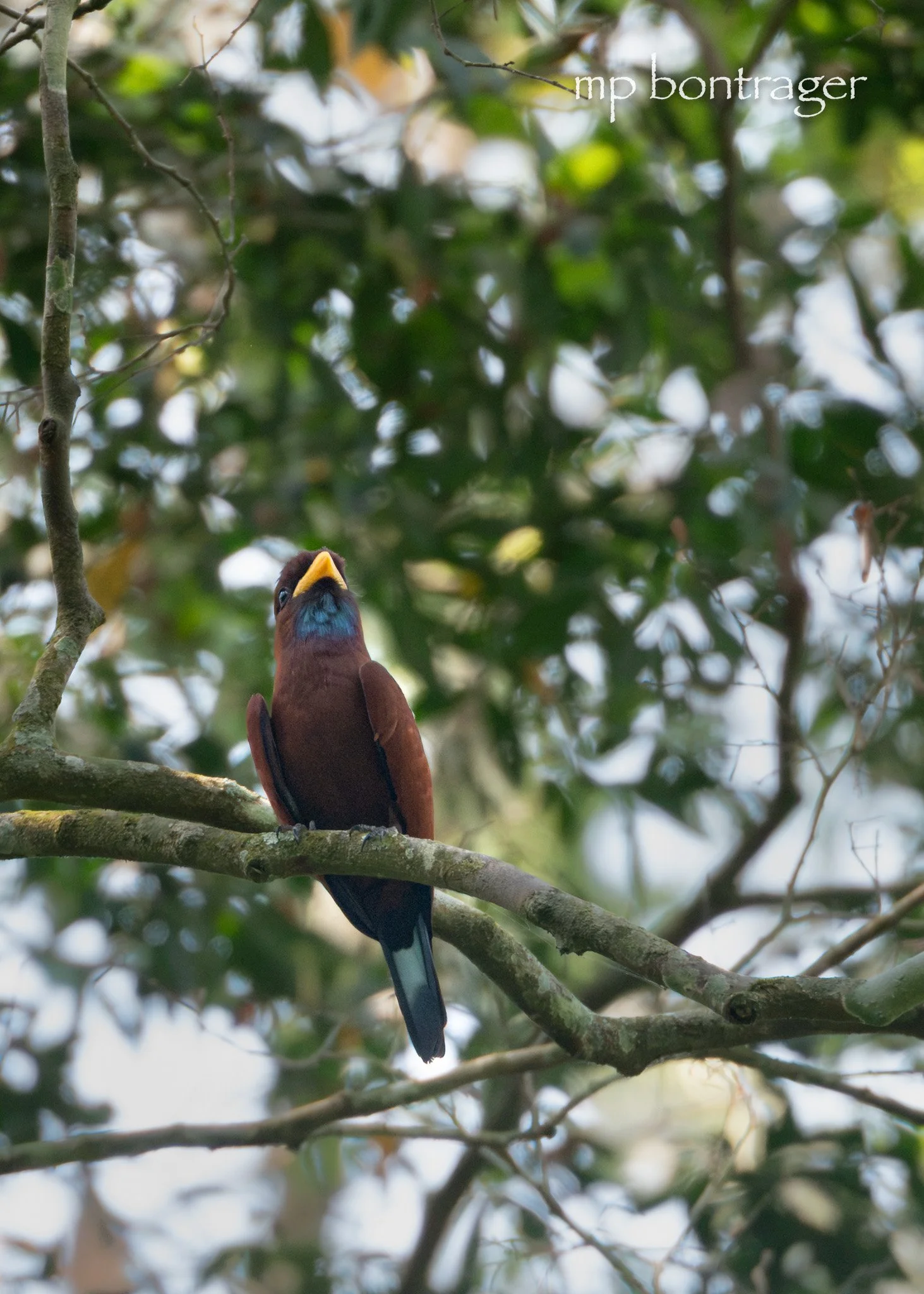
Blue-throated Roller
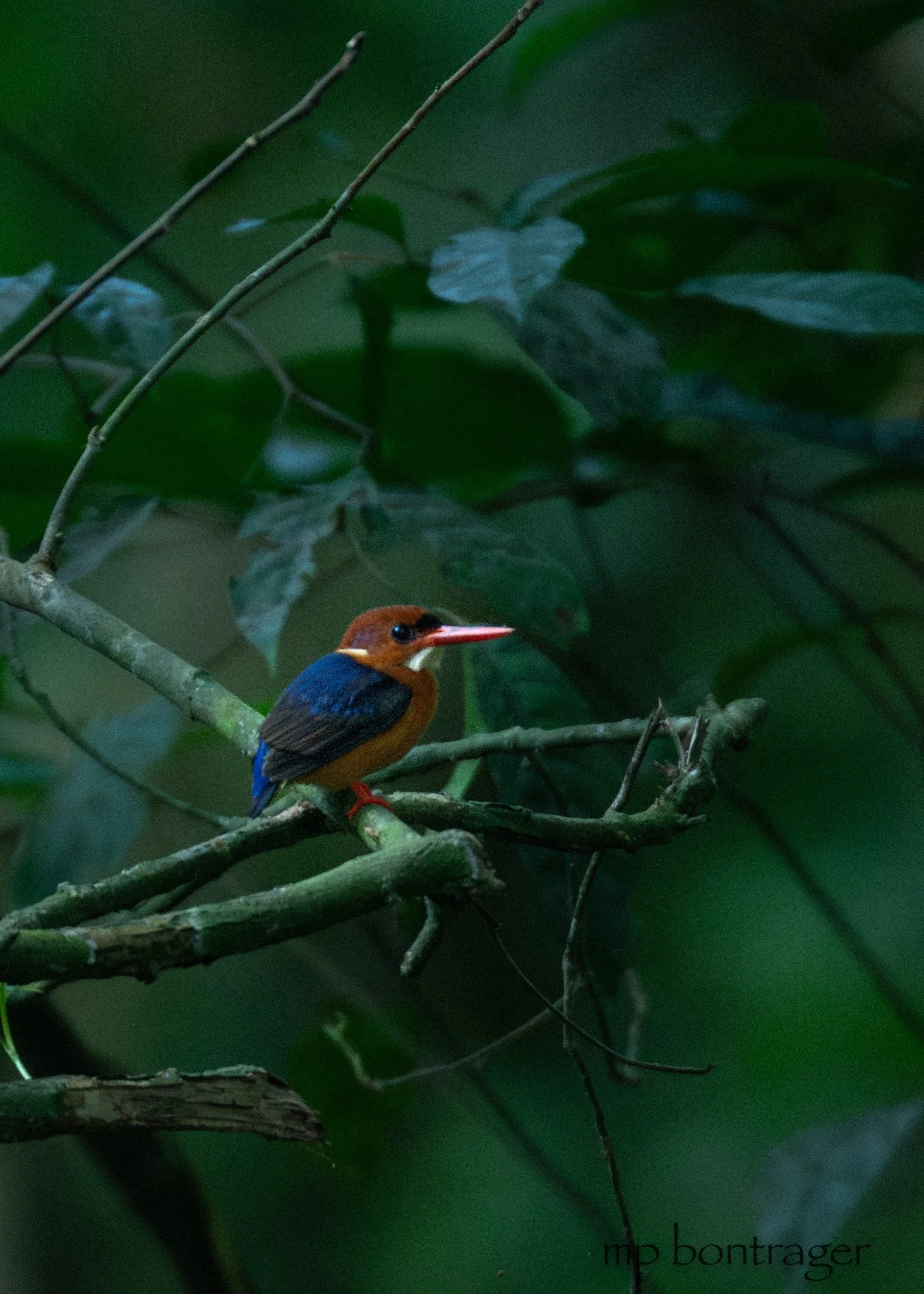
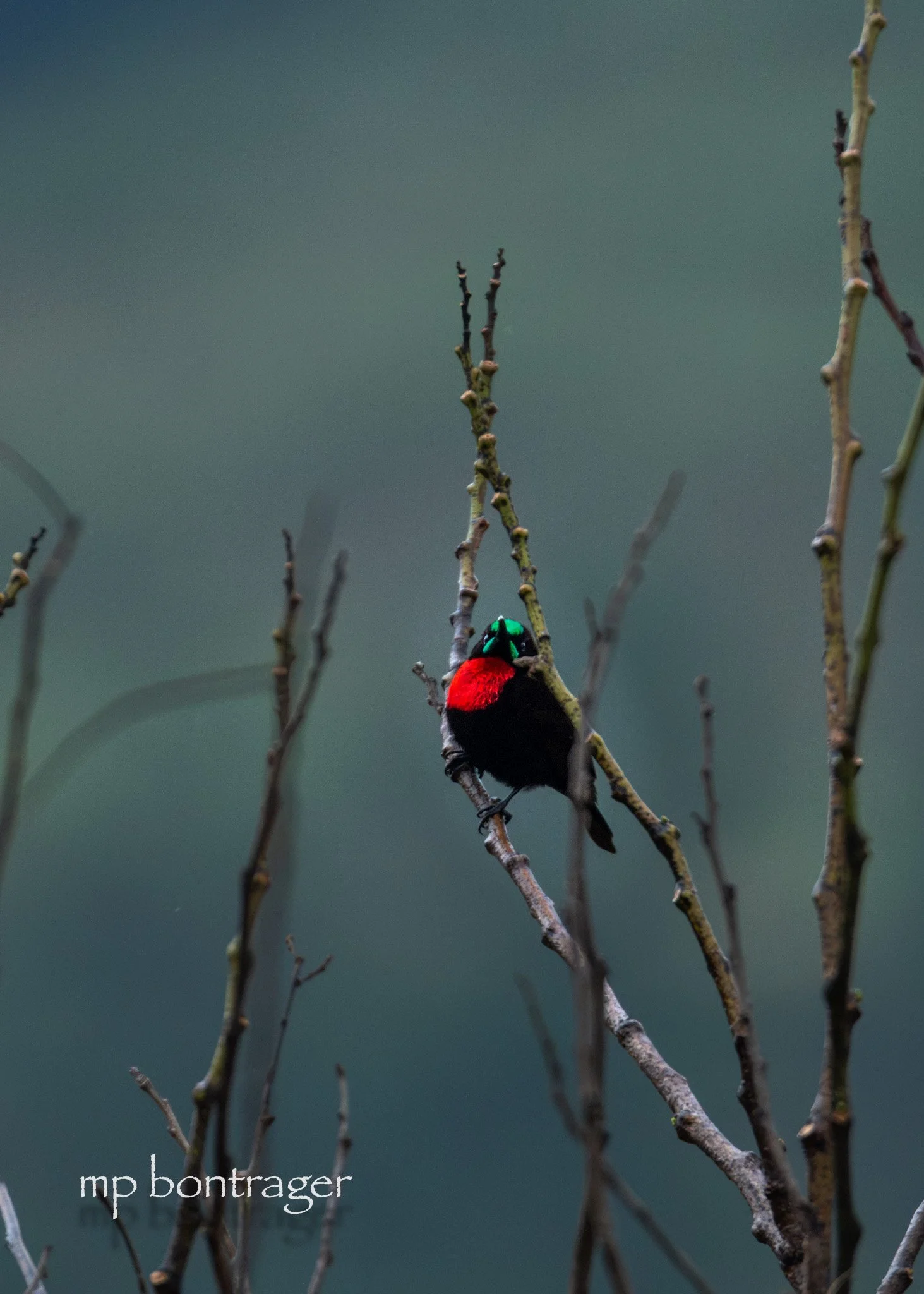

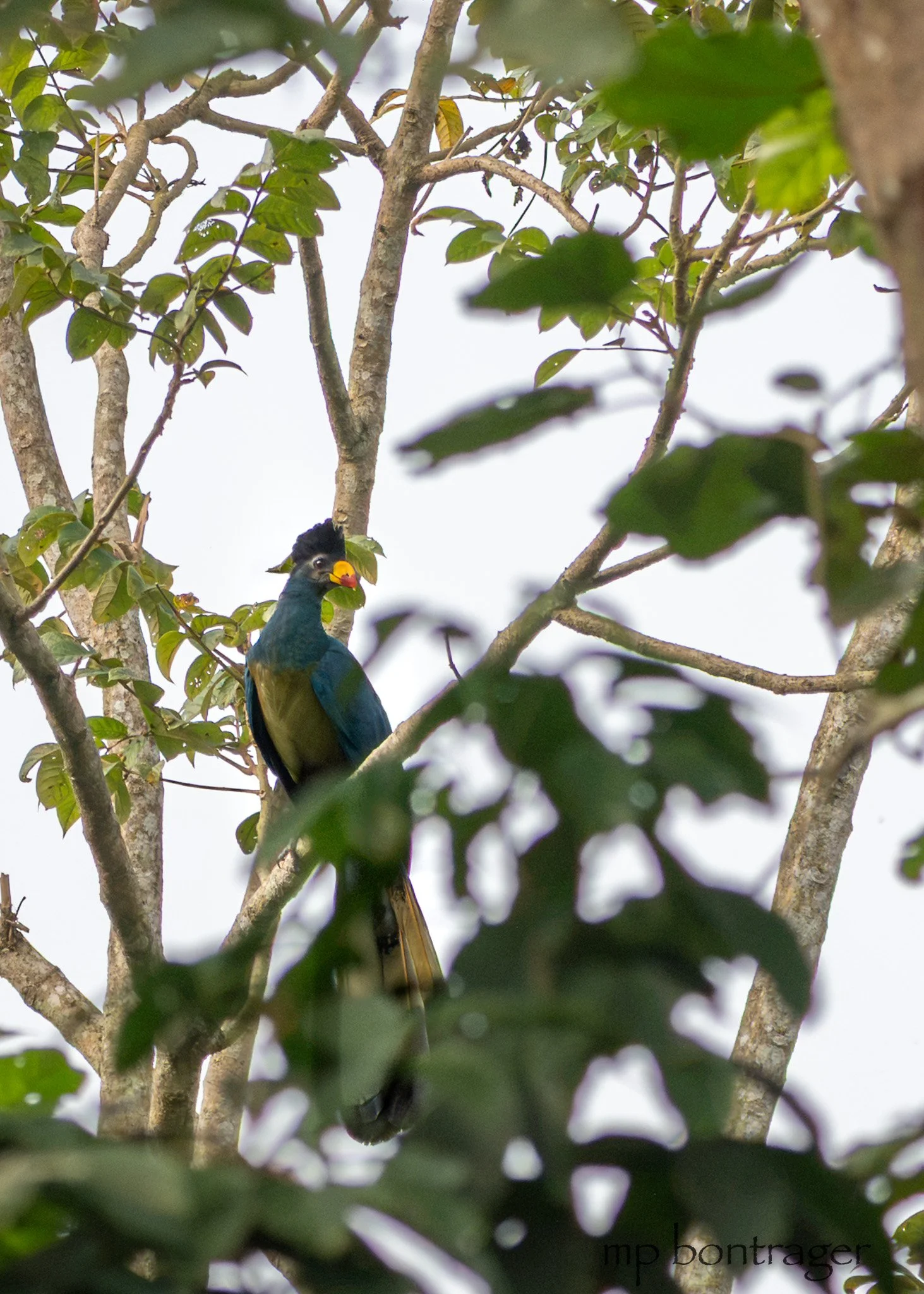
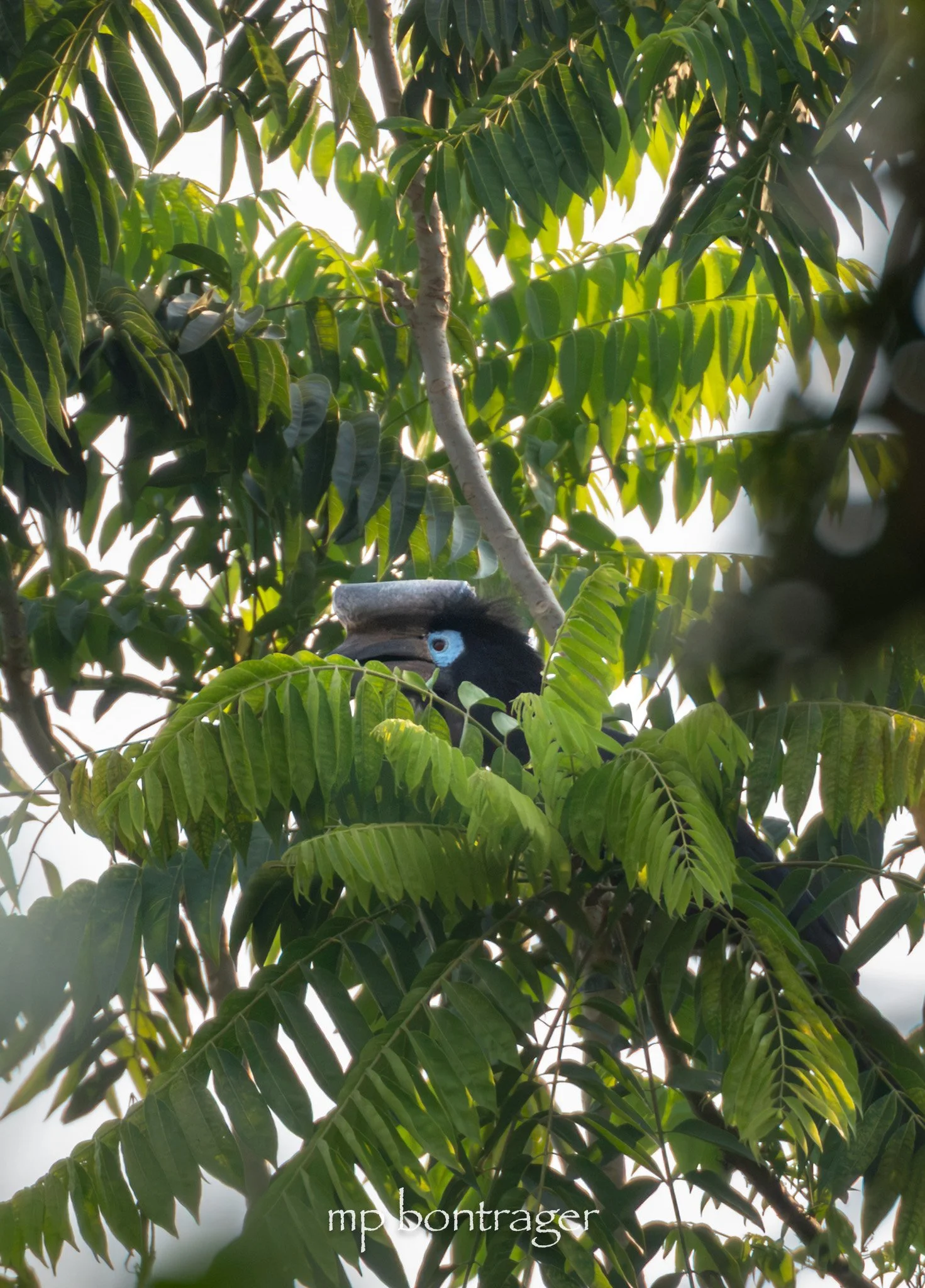
Semliki National Park is known for its diverse birdlife, flying squirrels, and hot springs.
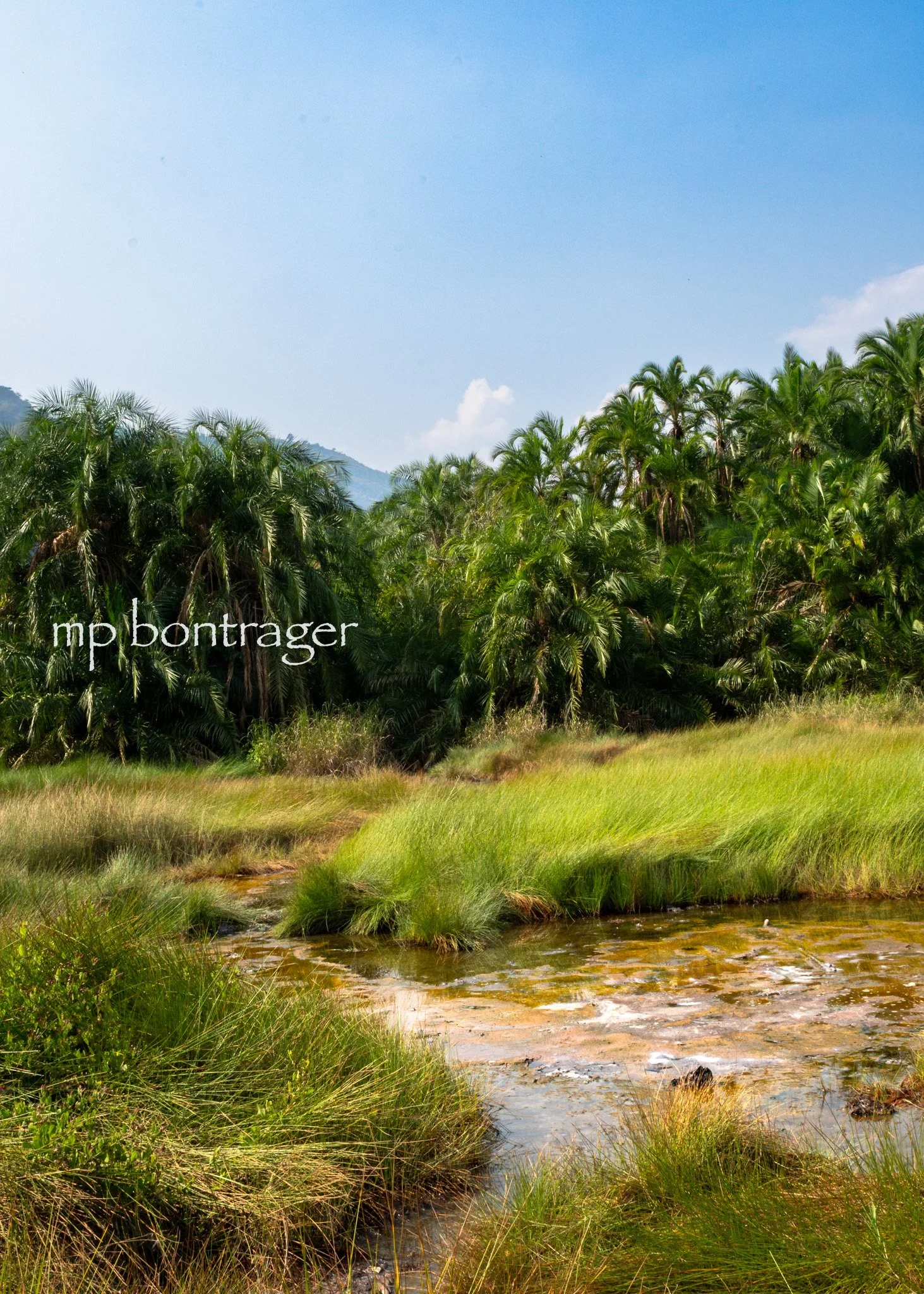
Hot Springs
What I learned in Semuliki National Park
Be prepared for all weather. It was very hot and sticky under the thick canopy of the rainforest. Later that afternoon the weather turned wet and chilly.
Mornings are best, birds will be singing and the soft light will enhance your photography.
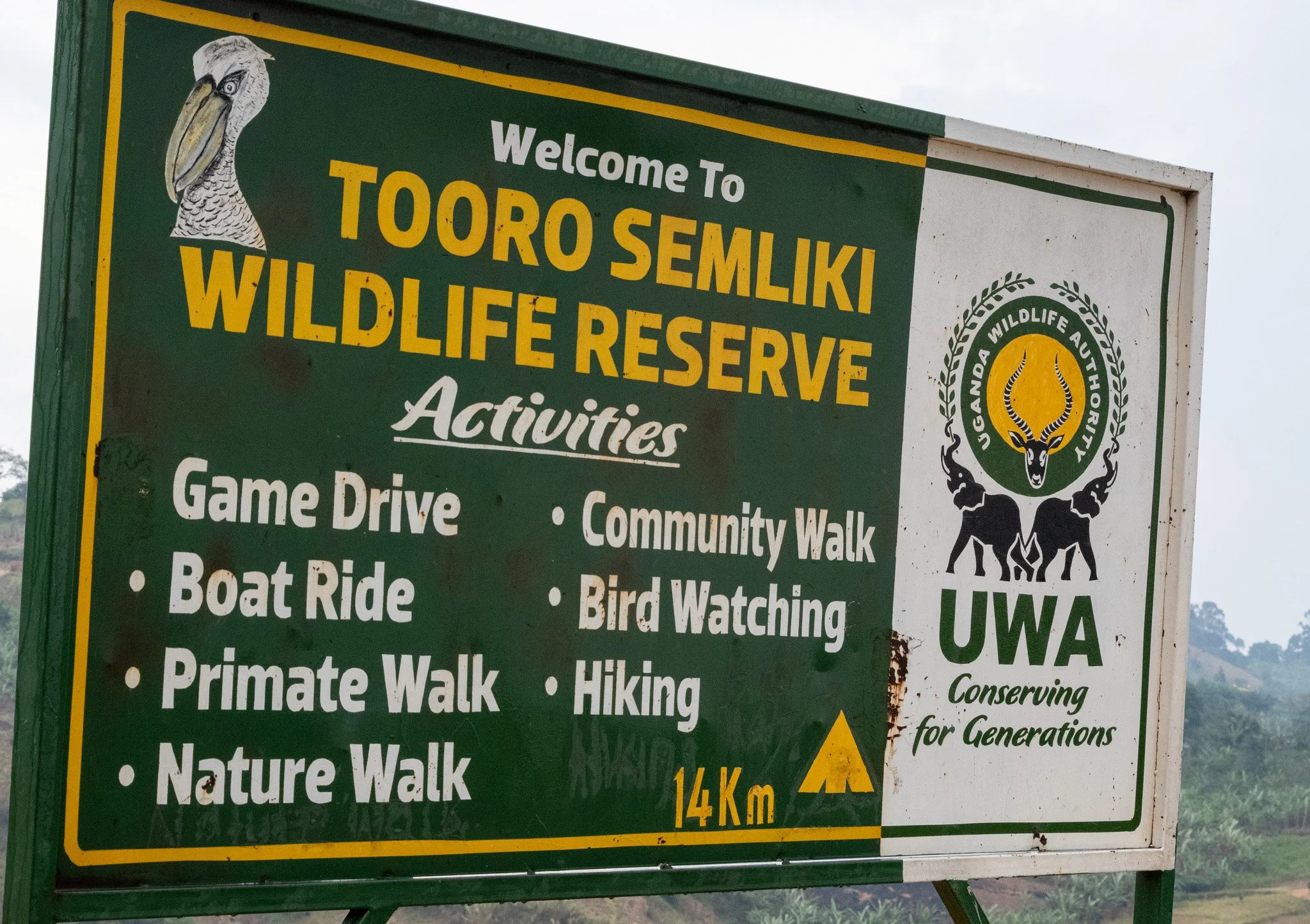
UWA Signs have not been updated
A word about Semliki
Semliki Vally is in the Congo Basin in a very remote area of Western Uganda
Sometimes Semliki is spelled Semuliki
The Toro-Semliki Wildlife Reserve is on Lake Albert. It includes vast savannah and riverine ecosystems. It is a very different environment than Semliki National Park
Semliki National Park is a difficult 90 minute drive from Toro-Semliki Wildlife Reserve
Semliki National Park is a twitcher’s paradise, bring an expert birding guide!
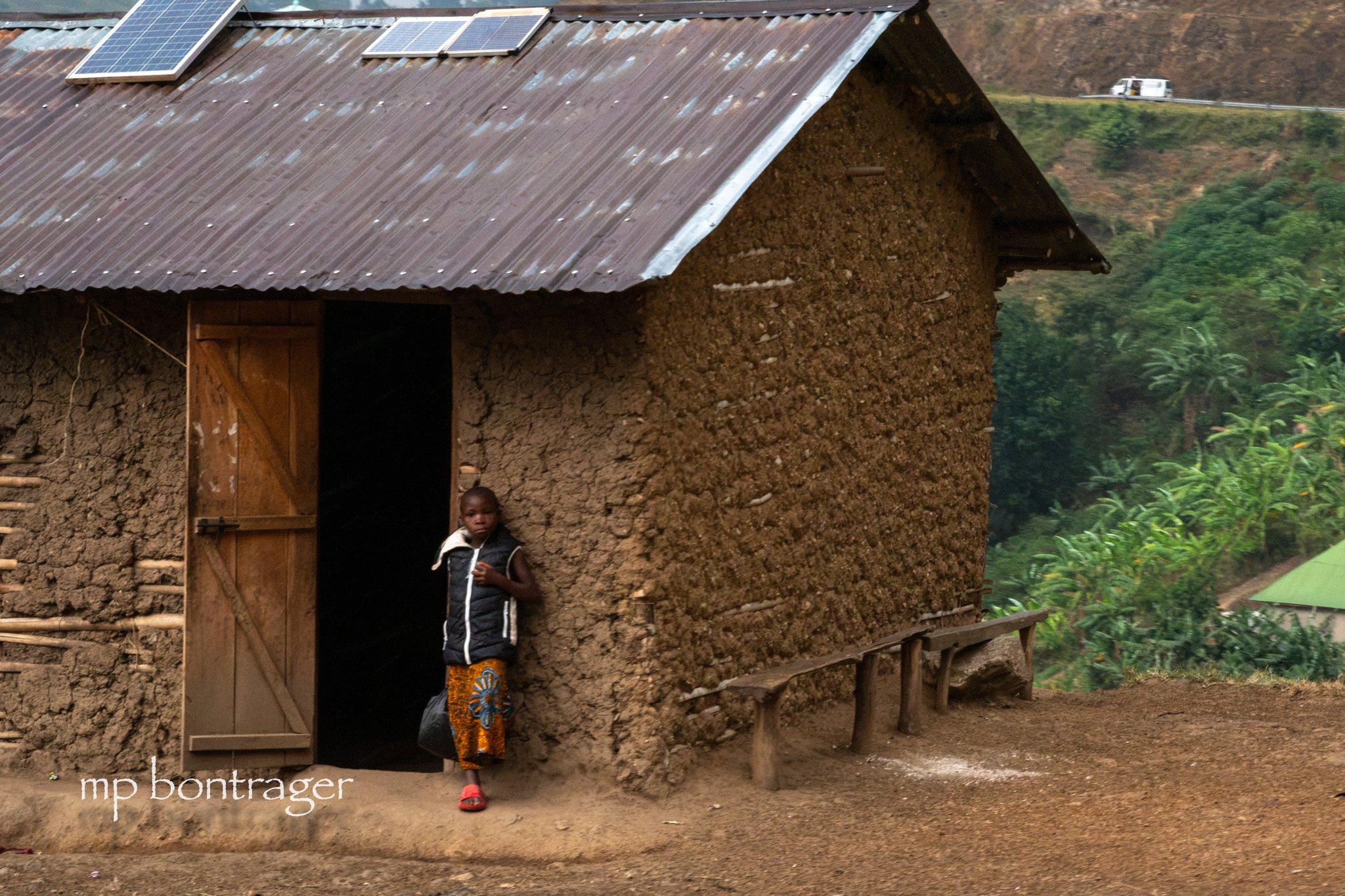
Farmstead in the Rwenzori Mountains
Don’t do an injustice to this interesting area of Uganda by rushing through it. Too often Ugandan travel guides organize a visit to Semliki Valley as a day drive from Fort Portal. That won’t be enough time.