road trip through the Karamoja Region, Uganda 2025
FEAR
Living in East Africa
A man attempted to break into my house, threatening to rape me from 2-3 AM
A young man was brutally murdered outside my bedroom window
I fell through a cement cap into a cistern of sewage
Through these experiences, when I was thrown off-course, I learned that the best coping mechanism is to control my landing.
“Not to have felt pain is not to have been human.”
The Karamojong
My Ugandan counterparts warned against visiting Northeastern Uganda. I was told, that the Karamojong men steal cattle and they are armed. After experiencing significant health and safety incidents in three different regions of Uganda, fearing cattle rustlers wasn’t pertinent.
Instead, I was intrigued by the idea of visiting a region that is overlooked by most tourists, Uganda’s most rugged and least-populated sectors. I hired Kanzira, a guide, to drive me through Northeastern Uganda to Kidepo Valley National Park both for safety concerns and for efficiency’s sake. I only had a week’s holiday from work.
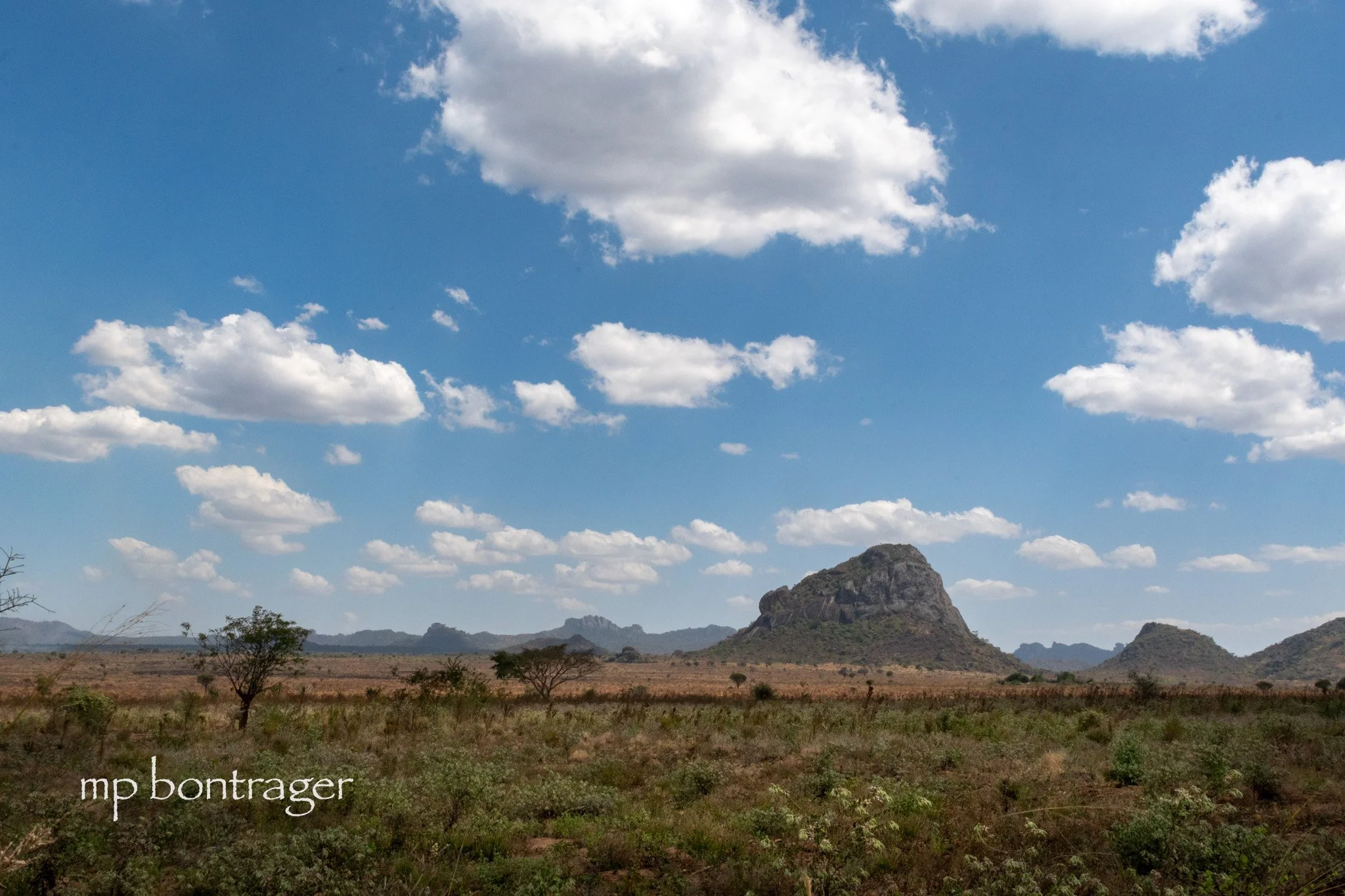
The region named Karamoja pre-dates modern political boundaries. It encompasses the southeastern section of South Sudan, a bit of Southern Ethiopia, a large swath of Northwestern Kenya, and the Northeast corner of Uganda. Karamoja is a semi-arid, sparsely populated land that has supported pastoralists for 100s of years. Because of their remoteness and their unique cultural and political structures, the Karamojong people are generally misunderstood and disrespected by other ethnic groups. In actuality, the Karamojong pathways have sustained their regional resources up until the 21st century. Now, climate change, the discovery of minerals, and pressures from neighboring farmers that want their land rights will test Karamojong’s resolve to remain independent.
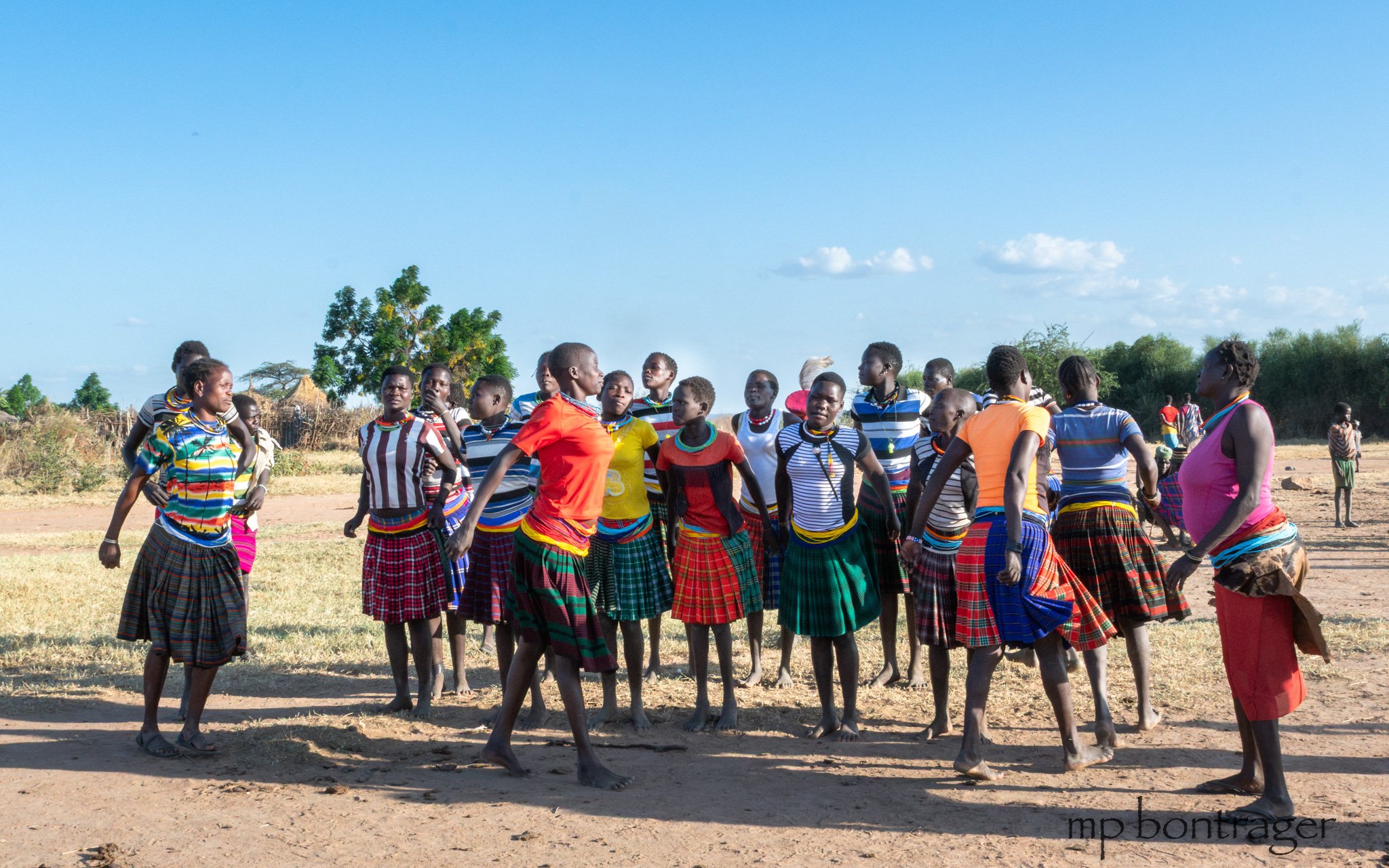
unmarried women dance late afternoon when the men return with their livestock
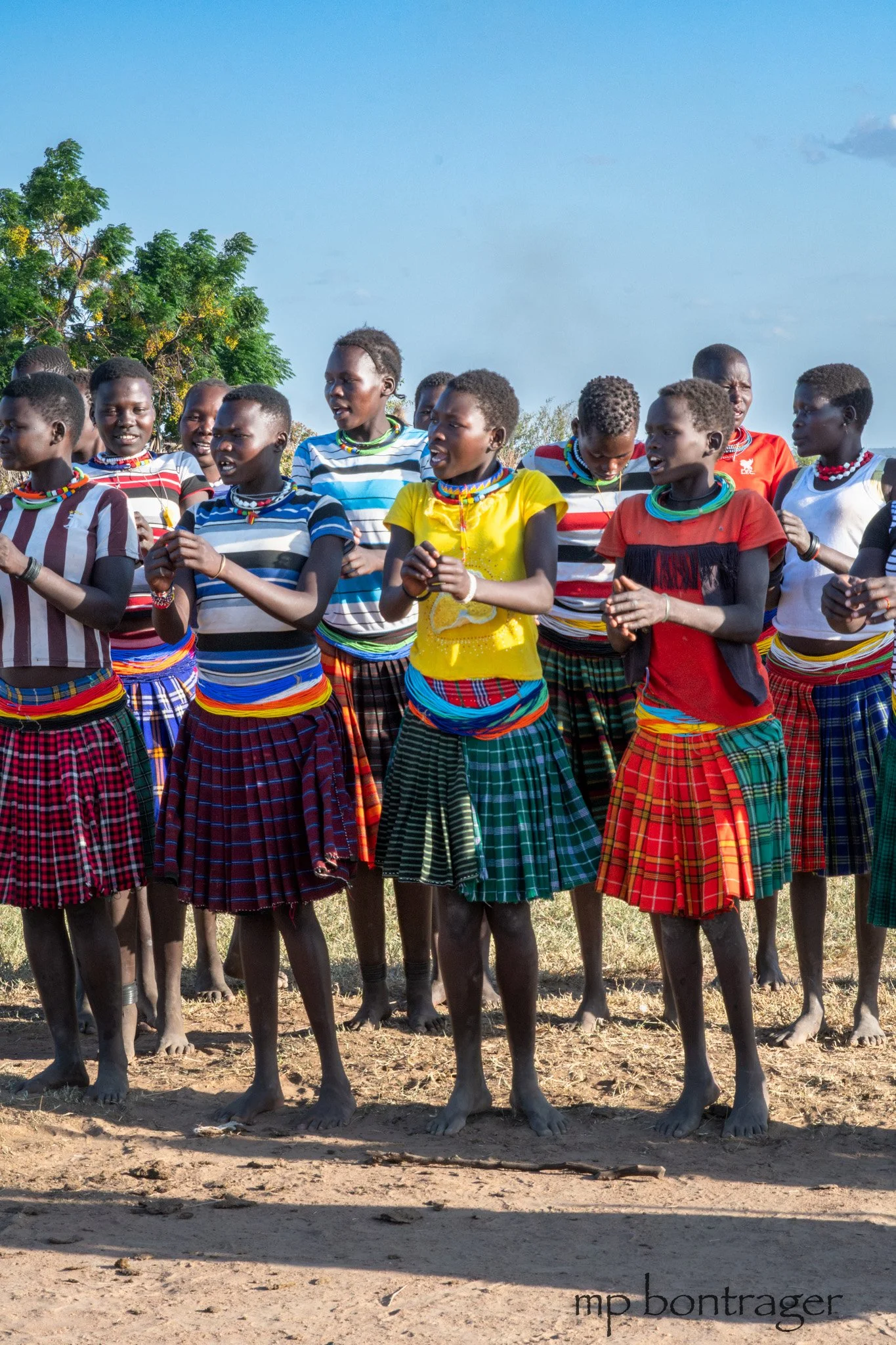
unmarried women dance, a chance to bond and have fun
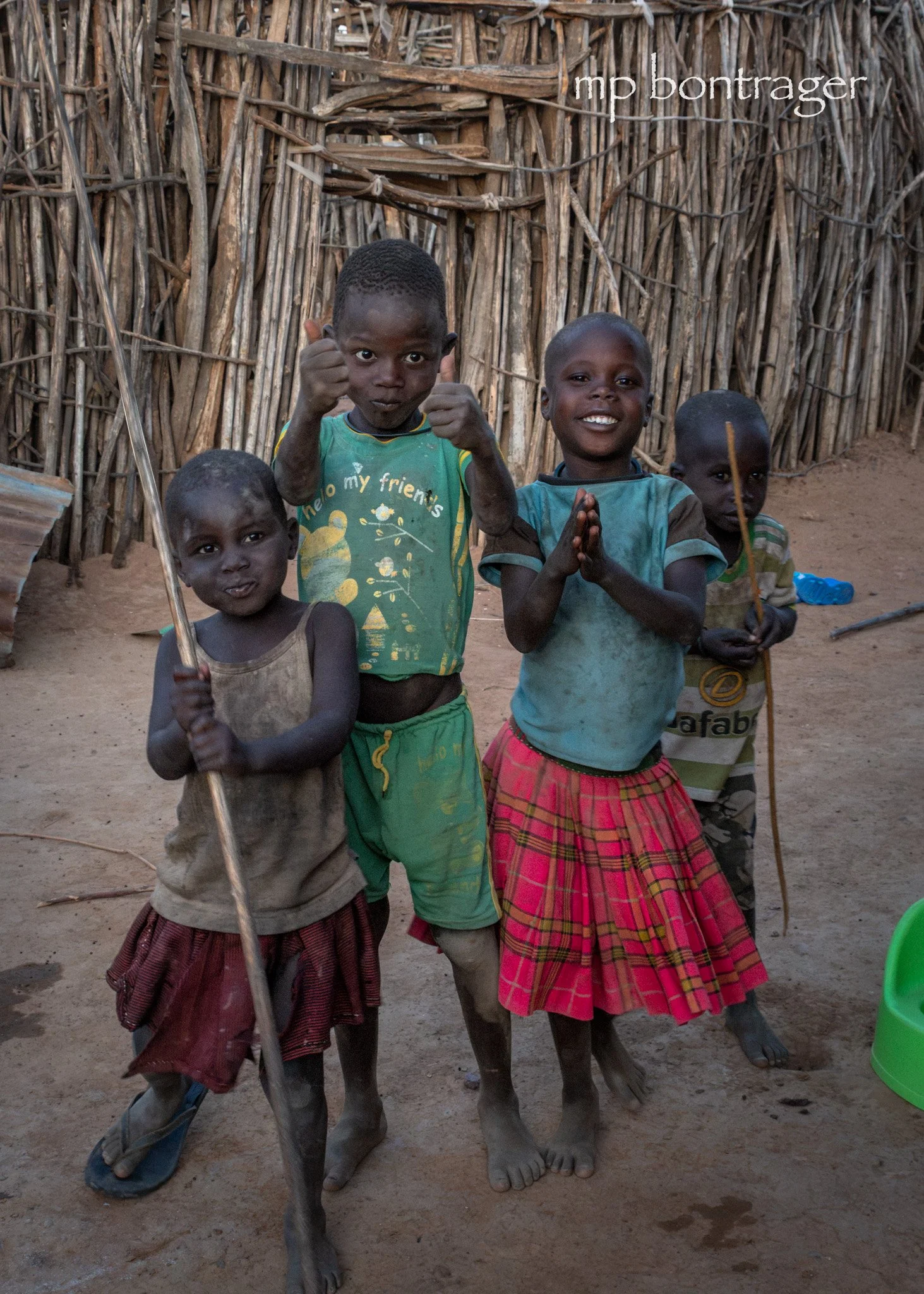
Children helping the women cook
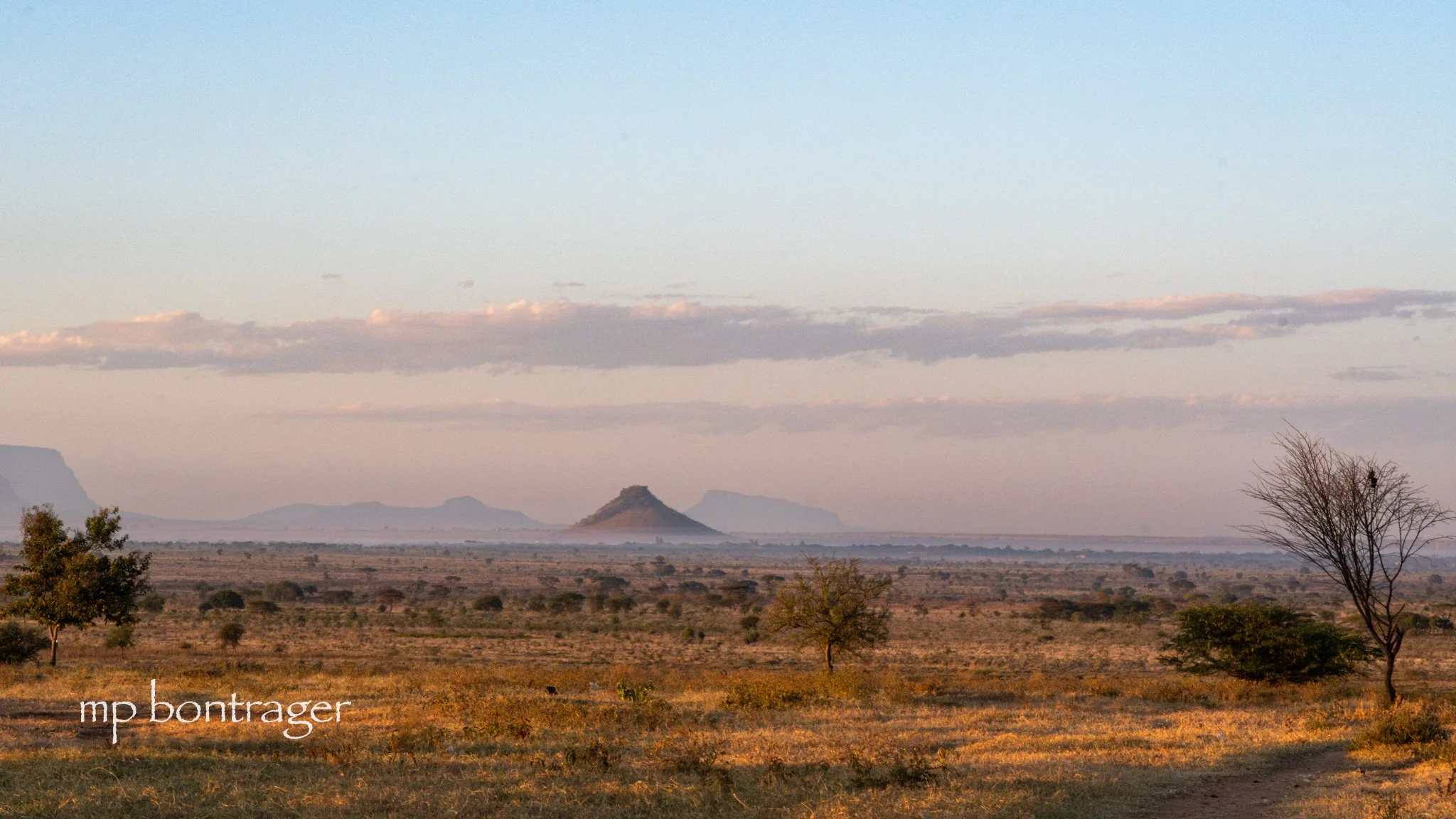
morning view
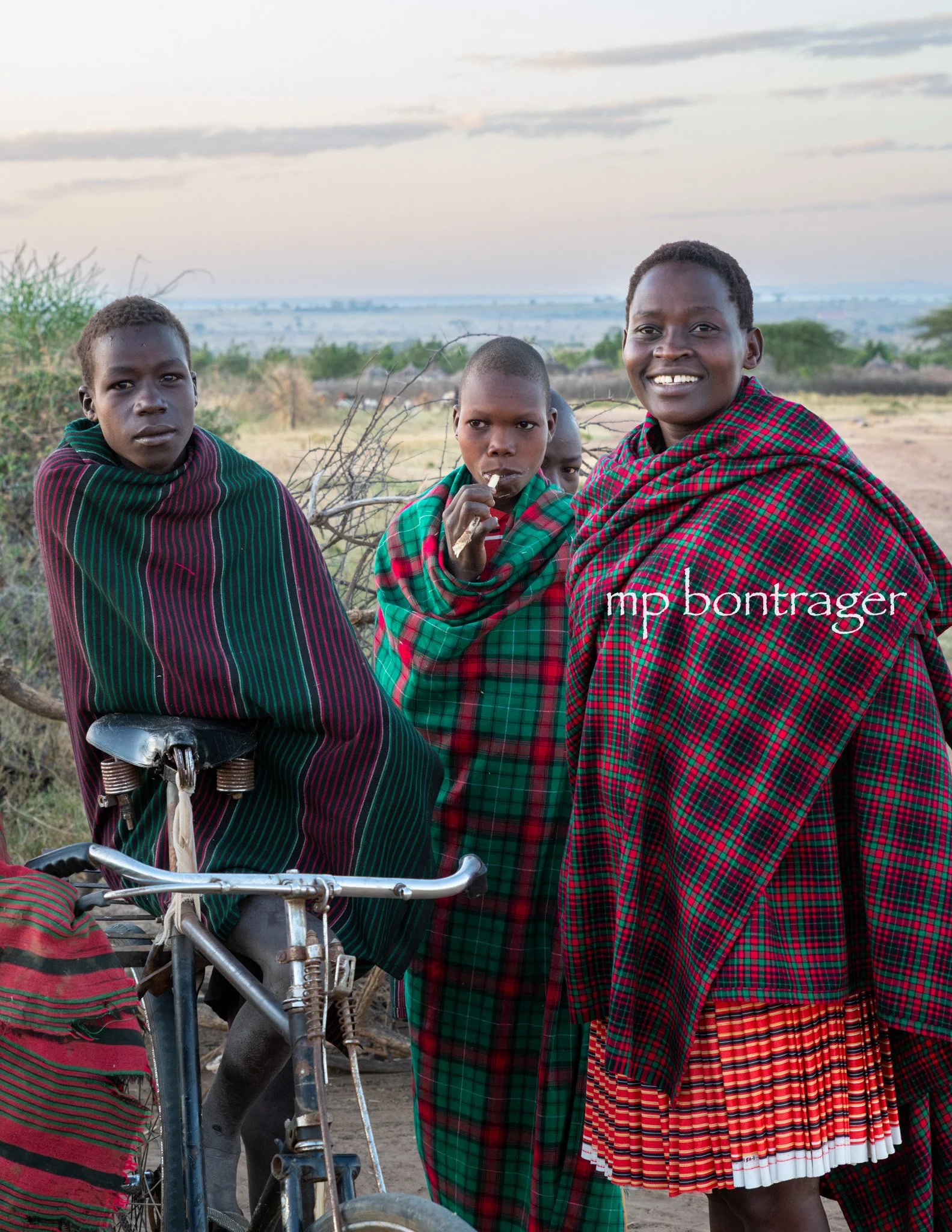
bicycle
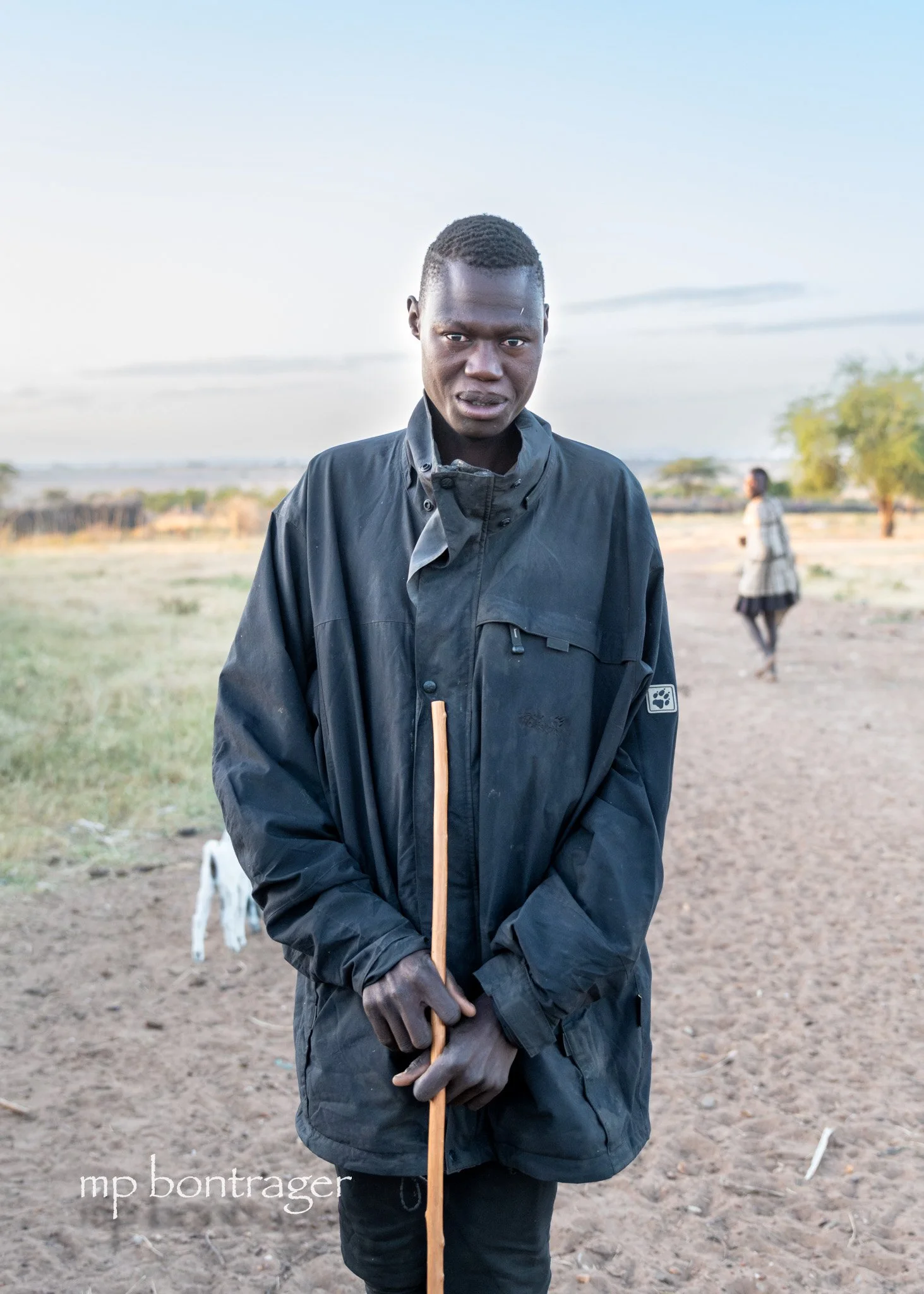
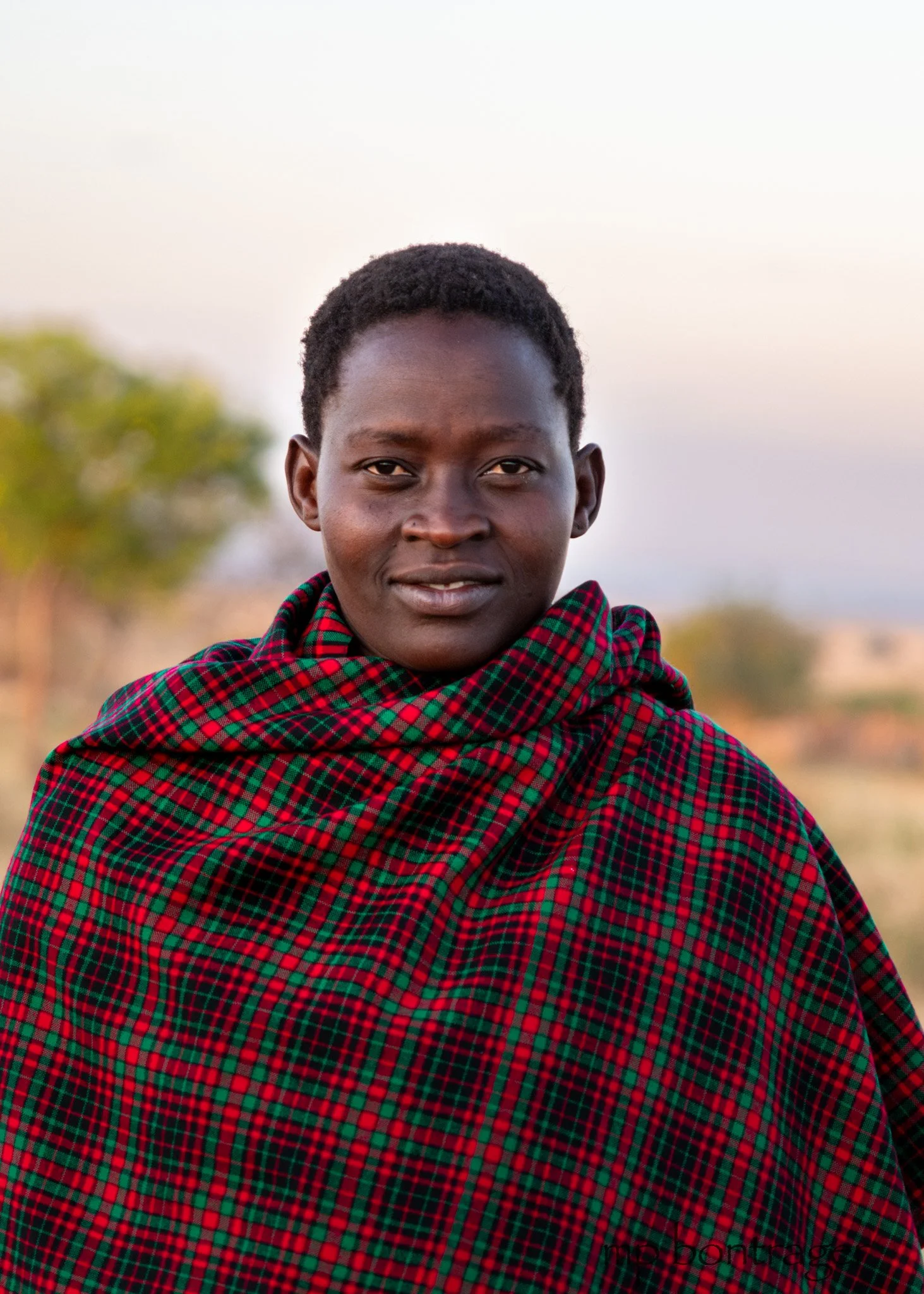
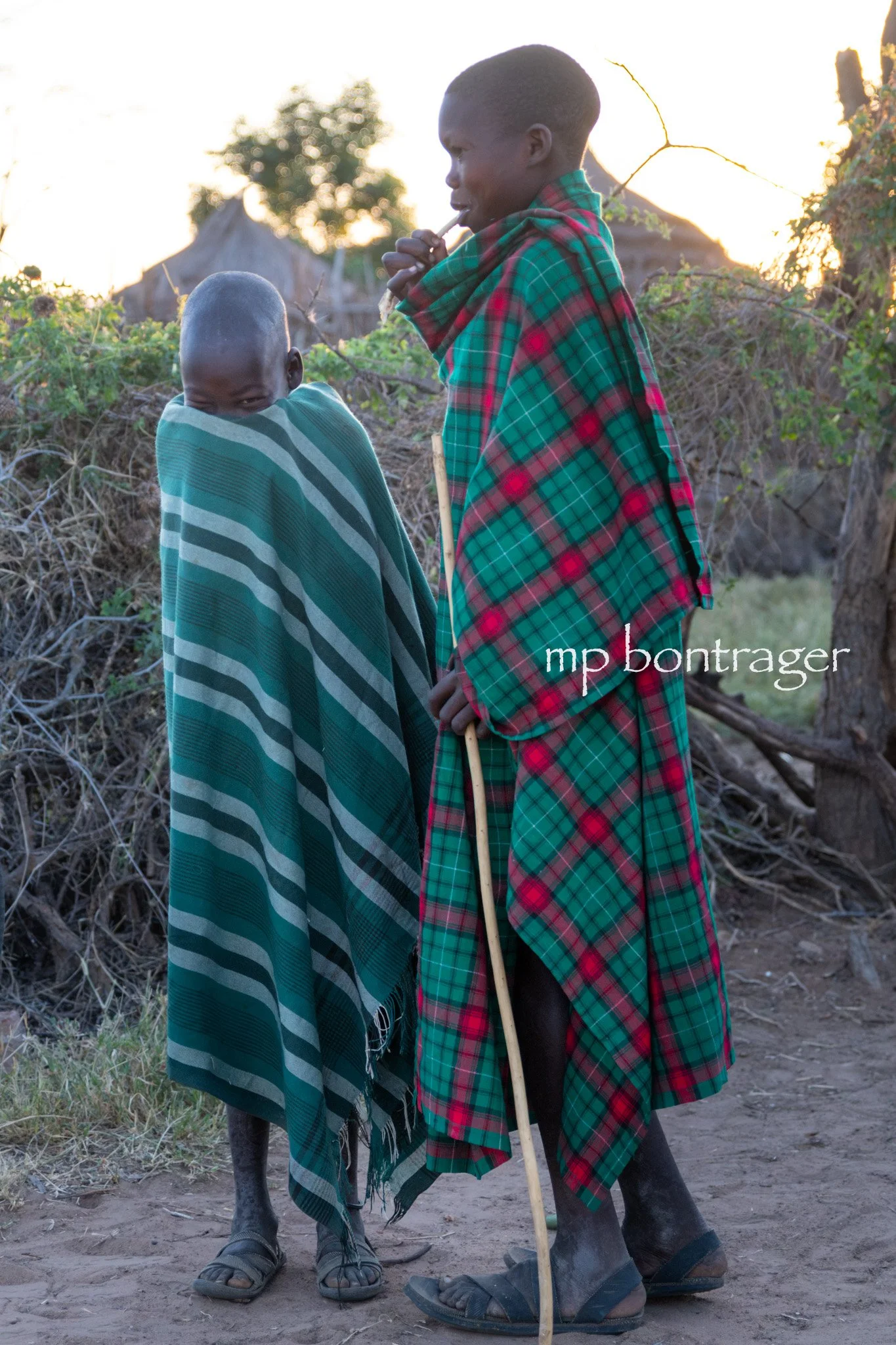
Village visit organized by Kara-Tunga
My brief time in Karamoja has stayed with me and I plan to return to this beautiful, misrepresented region soon.